

A multitude of risk factors are influencing expansion in the nursing home sector, including building repair and renovation costs, which are forcing many to press pause despite rising demand for skilled nursing services.
These considerations are dampening expansion even aside from ongoing concerns related to big picture risks stemming from the ups and downs of the economy, a negative public image of SNFs and overregulation of the sector. Due to the aging condition of the buildings in the sector, some big name investors say that they are forced to be restrained.
Omega, for example, has shown discipline despite a heightened level of excitement and interest in the sector, said Daniel Miltner VP of investments for Omega Healthcare Investors.
“We want to make sure that the property is sustainable. As a REIT, we are technically owners in perpetuity. We will sell if we need to, but we want to have these buildings for decades to come,” said Miltner, adding that asking whether “the real estate future-proof?” is a question that is top of mind for the Maryland-based REIT.
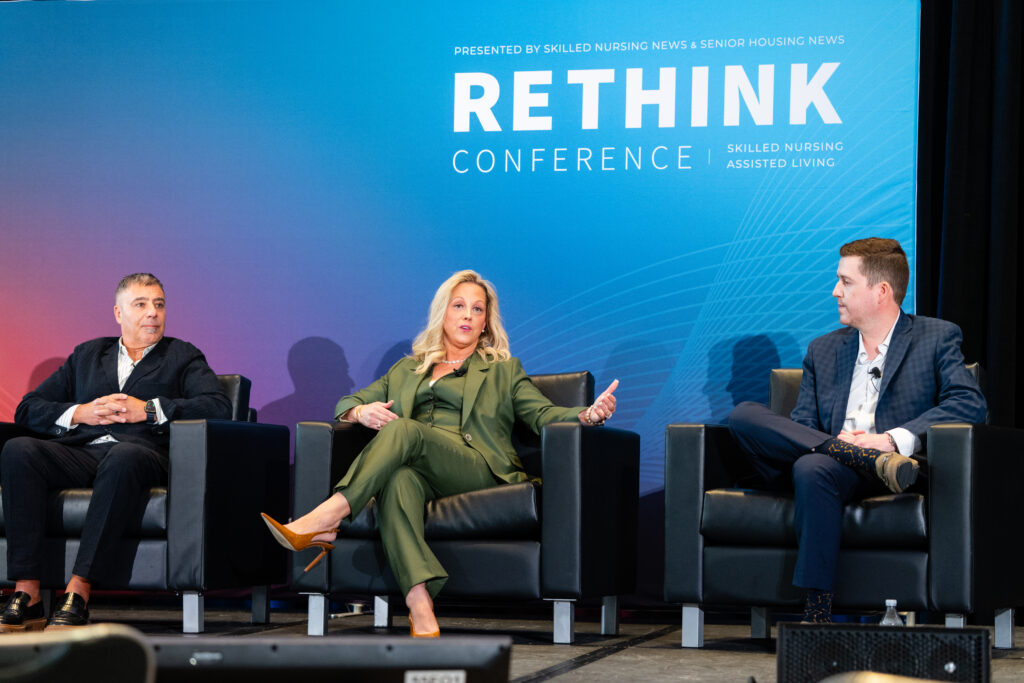
Miltner discussed how Omega assesses expanding its footprint at SNN’s RETHINK Conference last month, alongside operator executives Kimberly Green, CEO of Sage Integrated Health, and Steve LaForte, chief strategy officer and principal at Cascadia Healthcare.
Future-proofing nursing homes comes down to unit configurations, unit size, shared showers versus private showers, and a sustainable state Medicaid reimbursement rate, said Miltner.
For the small players too, renovations are a key piece of the equation when expanding right now, Green said.
Green said the economics can absolutely derail everything, especially if the rent isn’t right sized before a purchase, and resources aren’t there to invest in a building built in the sixties or seventies.
If a community needs new plumbing or new electrical and the reputation is poor coming in, Sage can’t come in with plans to make necessary changes – changes that flip public perception – if the rent isn’t right sized.
“I just had a whole elevator break the other day. Elevators are expensive … you have to be able to have the money to reinvest. So the deal has to be good,” said Green. “Whenever that deal is brought to you, you can also negotiate those types of things.”
Economics is changing negotiations
Open and honest conversations with all parties involved in a potential sale about such investments, and getting creative with solutions, can be a successful tactic. In one case, Green identified that the plumbing and sprinkler system was going to fail as part of deal-making – the seller put $1 million in an account so that post-closing, Green’s team would have the resources to fix the system.
“As a small operator, one building that goes bad could completely derail me. I have to make those good decisions, along with looking at the community that it’s in,” added Green. “Is it a dying community? Is there a reason census is so low?”
Smaller operators need to analyze every aspect of a building: Its location, who the competitors are and the census in the town, Green said, before making a decision on brick-and-mortar expansion.
“You must learn from the people before you,” said Green. “Why did it fail? What is it that you truly can do that’s different? I can’t change the census data in that town. I can’t change that there are 10 licensed RNs in a 200-mile radius. I can’t change that there’s no therapy in a 50-mile radius, and they’re all already employed by the hospitals. I can’t change that. You must analyze all those things.”
Green surrounds herself with analysts and accountants, people that can help her analyze the data to inform her decision-making.
From the lender’s perspective, figuring out starting rent and what it can ultimately reach over time is important in making economics work for expansion, Miltner said.
“How can we upgrade that value? How can we share that for ourselves and our operating partner? If pricing expectations are unstabilized [5% going-in capitalization rate], that’s not something that interests us,” said Miltner. “We’re very much more focused on value add, how our expertise as a capital provider, our relationships, our ability to reinvest in a facility, how that can change things.”
And while there are a lot of reimbursement issues out there that could derail expansion plans, not the least of which is 2025’s federal budget reconciliation bill, commonly known as OBBBA, LaForte said they’re all traversable for Cascadia, and it’s banking most on building a sustainable workforce to support its expansion plans.
“You’ve got curves moving in two different directions,” said LaForte. “You’ve got 10,000 people a day turning 80. In five years, you’re going to have 8 million people over the age of 80. The market for us is huge. The need is huge.”
For Cascadia, regional teams are very important and can help scale on a more micro level, enabling local people to serve in decision making positions, with support from a centralized group able to look at expansion from a high level. This model works well for a multi-state operator like Cascadia.
Public perception, legislation and expansion plans
Outside of economics, public perception, perception from legislatures and other regulatory folks is a huge factor in successful expansion plans, agreed Miltner.
Reimbursement and regulatory reform led by operators will only be successful if operators are proving quality of care that would follow that reform, said Miltner.
“If you take care of the residents, if you take care of your staff, reinvest in your facilities, that’s when those outside parties will be willing to listen to you and partner with you and be supportive of that reimbursement reform, that regulatory reform,” said Miltner. “You can’t ask for more money and not reinvest it. That’s the wrong message.”
Green agreed that letting public perception run amok can absolutely dampen expansion plans, but maybe switching up advocacy voices will help the sector. Swapping out finance executives in the sector for clinical leaders can help force reform if legislators are hearing how it might help at the bedside directly from those providing the care.
“They’re tired of talking to the finance people,” Green said of legislators. “If public perception changes and puts pressure on the legislators, then they are forced to give us increases or stop the cuts.”
Public perception is the answer that the industry hasn’t really jumped on as a lever for change.
“That is what’s needed to get that snowball started,” said Green.
Companies featured in this article:
Cascadia Healthcare, Omega Healthcare Investors, Sage Integrated Health

