It’s no secret that successful institutional special needs plan (I-SNP) partnerships depend on aligned incentives between the nursing home operator and insurer, trust between parties and organizational buy-in. However, achieving that cohesion is another matter.
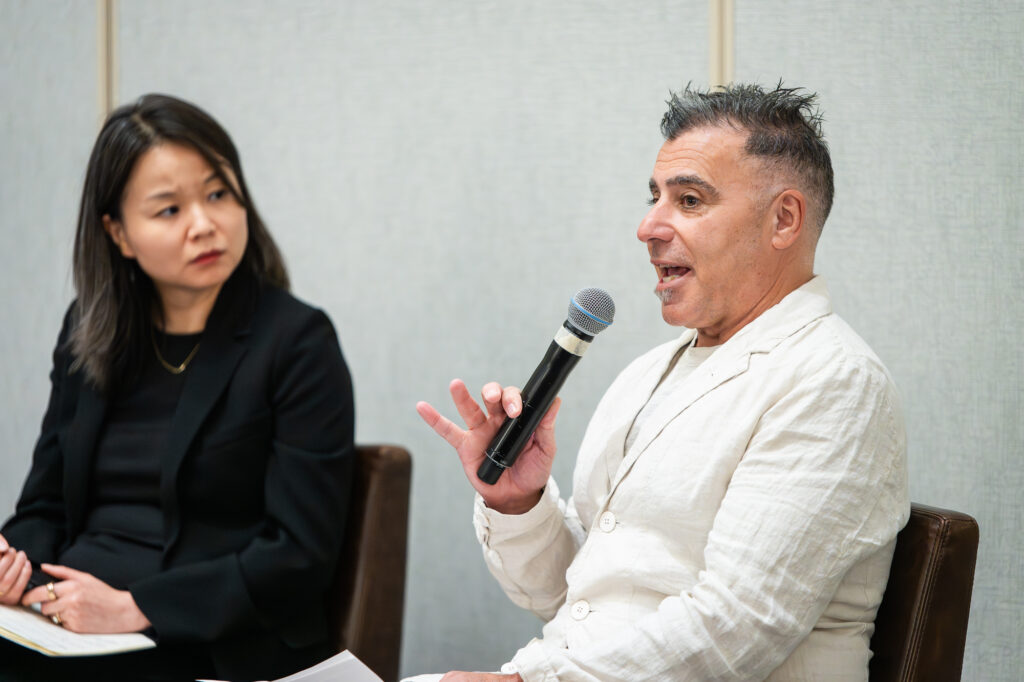
On the insurer’s side, co-designing benefits with providers and maintaining data transparency may be outliers when it comes to larger Medicare Advantage Organizations (MAOs), but for SCAN Health Plan, a not-for-profit MAO, these contract negotiations help to build trust with operators and encourage staff buy-in, according to Quingan Zhou, VP of growth strategy and operations at SCAN.
As for nursing home operators, who are engaged in developing their own I-SNPs and establishing plans meant to last, keeping staff invested in making the plan successful has been the greatest challenge. And, the staff buy-in begins long before a plan has been established.
Cascadia Healthcare spent years interviewing insurance partners before landing on a provider-owned I-SNP partnership with American Health Plans in 2022, which has grown to about 250 members, said Steve LaForte, CFO and principal at Cascadia.
This particular I-SNP includes a few other operators, added LaForte. He expects to have more than 450 members in their I-SNP by the end of the year.
“Trajectory is shaped by making sure there is clinical alignment with our team, with family, with the residents, with the other community providers,” said LaForte. “We’ve been very deliberate as to how we roll things out and bring it to the member population.”
Zhou and LaForte spoke about MA partnerships at the Payer Summit last month in Chicago, which was co-hosted by Skilled Nursing News.
Developing a new I-SNP plan in a market already seeing developed Medicare Advantage plans has been another hurdle for Cascadia – it’s pushed their timeline for membership growth out a bit.
“We knew it was going to take time, and the benefits don’t necessarily come in the first year, they come in the long term … this isn’t something that’s going to change the world in the first three months that you have it, but if you don’t have it three to five years down the road, it’s going to impair your ability to deliver care effectively,” said LaForte.
Cascadia’s I-SNP plan played a role in reducing readmissions, improved outcomes and helped build star ratings from good to great, while also managing lengths of stay more effectively.
“It’s not as short as possible, whereas with other Medicare Advantage plans, there’s that time compression that happens,” said LaForte. “We have the luxury of not employing that. With some people you’re able to give them more of the care that they need, and with others we’re decreasing [length of stay] for the right reasons. Clinically, it’s been a huge success.”
Negotiating contracts and building trust
SCAN co-designs its benefits with providers for its I-SNP, known as SCAN Embrace, Zhou said. Embrace places importance on a comprehensive, mobile interdisciplinary clinical team made up of pharmacists, nurse practitioners and social workers, among other roles.
“I can’t say that there are a lot of competitors that actually do that,” Zhou said of discussing benefits with providers. “It’s in our best interest, it’s in the best interest of our members to make sure our providers are sustainable and healthy.”
It helps that SCAN is a nonprofit insurance company, so they are more easily able to reinvest back into their own infrastructure and into new technologies without worrying about earnings reports to Wall Street.
When SCAN is considering rolling out a new technology, data transparency with its provider partners is key, and proving how certain technologies can help with workflow.
But it does take time to consider concessions when solidifying an I-SNP contract, balancing where those concessions need to be made while also understanding each other’s financial model, Zhou said. And for any sort of misalignment, it’s crucial to trust each other enough to voice concerns, bring issues to the table.
“Making sure that you know the incentives are aligned and the financials are right from the beginning is critically important,” said Zhou. “A lot of the decisions that we made as a health plan, the design might have either a direct or indirect impact downstream on our provider partners.”
Certifications, medical directors drive alignment
From the operator side, every role needs to be on board to make it work – the frontline staff, the medical directors, facility leadership all need to be aligned in purpose and the care model, LaForte said.
“There’s always a bit of uncertainty around [MA development]. We’ve been able to get to that place where everybody is bought in on the same goals, everybody’s bought in on the same care model,” said LaForte.
The operator’s partnership with Boise State University has helped with staffing alignment, with the university launching a value-based care certificate program, which is now a master’s program. Cascadia has run about 20 of its leaders through the program and they have received their certificate or part-time master’s program in delivering value-based care.
“That’s been a great educational, integrational tool for our people,” said LaForte. “I did the very first cohort, the certificate program, which was an online program, coincidentally launched at the start of Covid. It really helped give a frame to put the ISIP into place in 2022.”
Coupled with the university certificate and masters program, LaForte noted that ensuring medical directors become a more integrated part of the clinical team helps with I-SNP alignment and, in turn, provide better clinical outcomes.
It’s a “historical weakness” for nursing homes, he said, with the role evolving from more of a consultant to a key stabilizer in maintaining and monitoring quality care.
“They haven’t had a strong presence, and as these [I-SNPs] start to integrate the medical director more fully, we’re all going to benefit,” said LaForte.
But the medical director needs to be willing to do the work to be in alignment with I-SNP goals. One operator in Florida in the audience said that one of its medical directors wasn’t very enthusiastic about the plan and so wasn’t a meaningful driver of the effort, unlike the medical director who replaced him and helped change the entire complexion of the program while engaging people in collaboration.
That translated to membership growth and revenue growth, the Florida attendee said.
In the end, the I-SNP needs to institute clinical change and affect clinical outcomes – if university certificates and medical directors can help do that, then everything else will fall into place, LaForte said.
Companies featured in this article: